
How collecting has changed for me across decades of the hobby
A self examination of the changes in awareness and viability, from my earliest collection to potential new ones I might start in 2026.

I have good reason to believe that I’ve been a collector as far back as my memory serves. My possession to this day of a set of NatWest piggy banks from the late 80s is a testament to the belief.
I was born in December 1987 and, at the time of writing, will turn 40 next year. I’ve been collecting for the best part of four decades.
Just recently I’ve been thinking about what’s changed in the practices and behaviours of being a collector. Some of these factors relate to my own personal circumstances in life, others are more universal to the hobby.
Awareness
If I quiz my parents I may get an answer, or two (possibly contradictory) to the question of how I came to own the NatWest pigs. The simple answer is, you got them when you payed X amount of money into a children’s saver account.
But why that bank? - “The type of account was one of the few of it’s kind.”
Why were you putting money away? - “To gather interest, presumably.”
So, why did the bank feel the need to have an additional incentive if there wasn’t much competition and the real draw was earning interest? - “OH WE DON’T KNOW SON, IT WAS A LONG TIME AGO!”
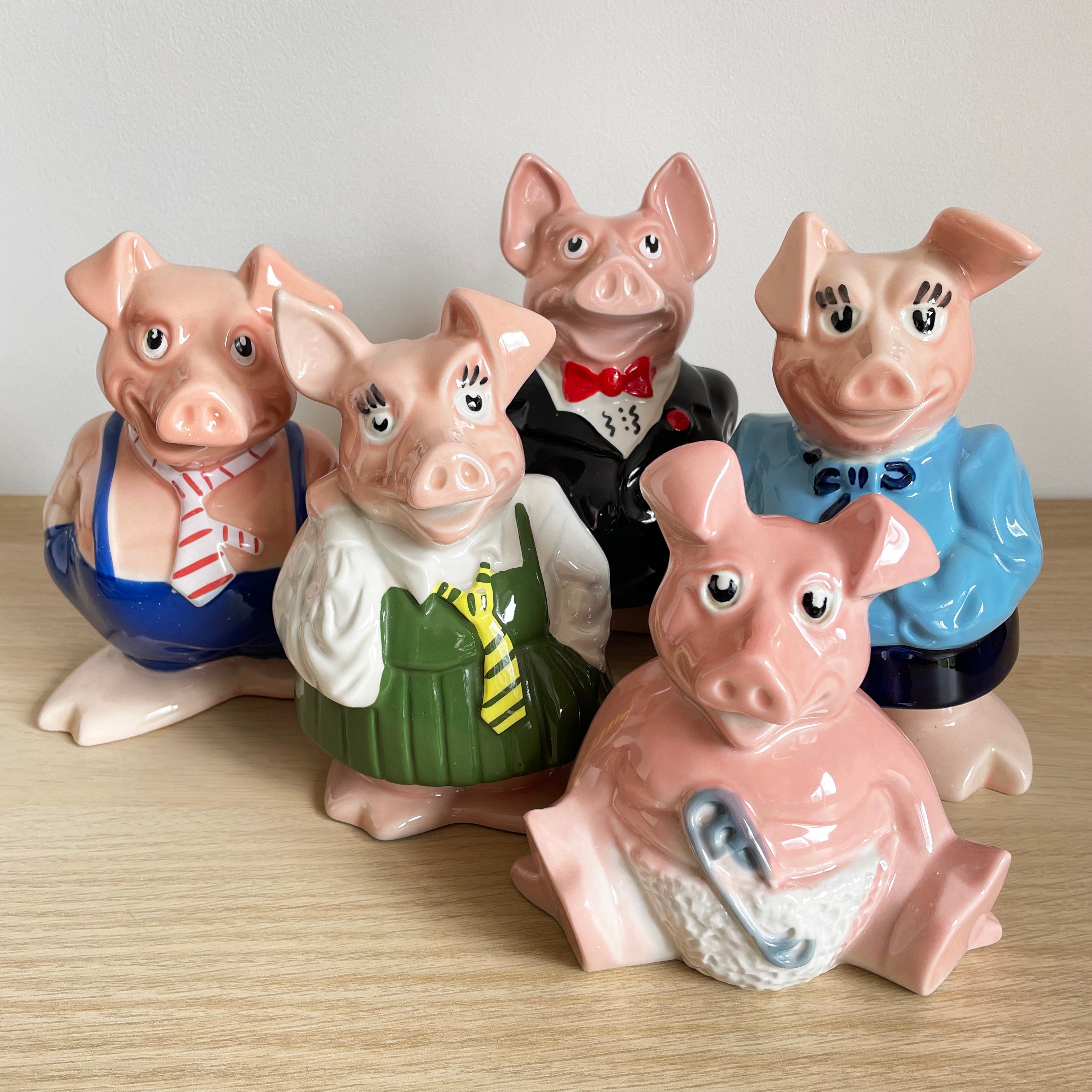
Did I see the unsettling advert and ask for them? Or, did my parents make the choice for me? Was the collecting mindset imposed on me by them, the result of their own indoctrination in an era of post-war consumerism gathering momentum through the latter half of the 20th century? They don’t like being asked these questions, but I guarantee they will laugh when reading this article.
I was so young at this point in time I have limited memory of wanting the piggy banks, or receiving them. With the exception of the final character in the set, Sir Nathaniel. I do remember opening that box (long gone, my bad) and having a feeling that there was something conclusive in front of my eyes. He carries more weight, literally and metaphorically, for me than the others. Perhaps it’s just that my brain had developed enough to retain a memory, or maybe the significance of owning the final piece prompted a greater comprehension of ‘collecting’ to click into place.
When I moved on to the die cast Thomas the Tank Engine toy trains, I’m fairly sure I just wanted to own a tangible representation of the characters I liked on screen that I could interact with. I don’t think the premise of a set to collect would have been what sold it to me alone in the same way I feel a draw to engaging with collectables that I have little connection to the source material of today (I think I may have started collecting a new line of The Simpsons figures from JAKKS Pacific, I’m barely even a casual fan of the show!)
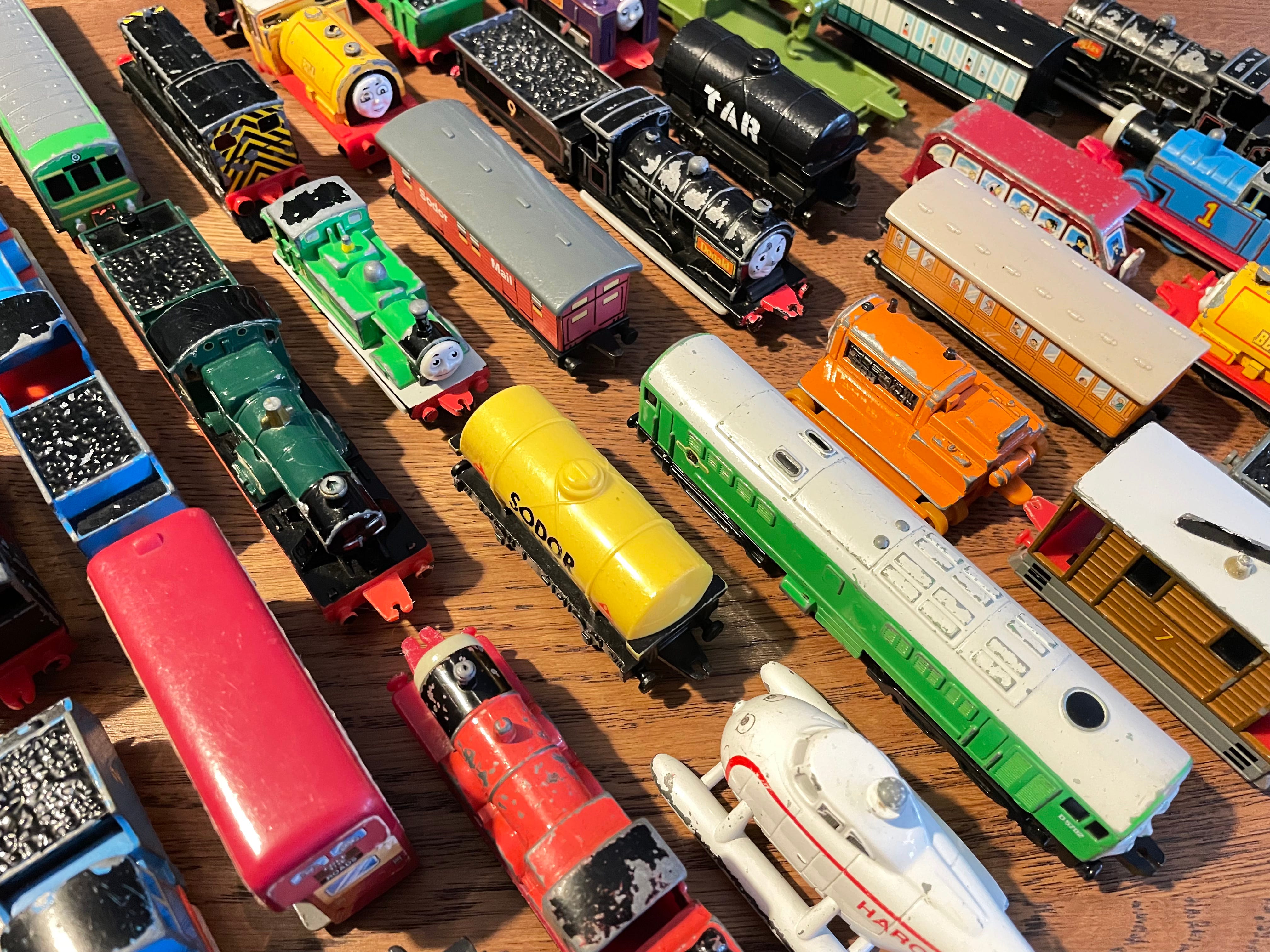
There would have been an undeniable power though in the spectacle of seeing the full range on display in the toy shops in their beautiful packaging. I know many collectors who have spoken of the awe that is turning the corner in a shop to see this. It’s a rare thing to experience today, but I occasionally get a reminder of the overwhelming feeling at toy fairs or in vintage shops and I know it still exists in retail today for the current generation of impressionable young fans.
I wonder at what point I saw the range as a collection, and whether I had an awareness that I was collecting when I’d go back to the wall of trains to daydream about the next one I’d purchase, or the lucky days when I got to take the next addition to my railway set home.
Jumping forward to my Pez collection in 2002, when I bought the Goofy dispenser from Toys R Us one Saturday autumn morning, I had no awareness that 23 years later I’d be writing about the psychology of collecting, somewhat in procrastination from resolving the issue of how and where I’m going to display my current collection of 1,375 dispensers (nor that I would be employed by a company based a few doors down, in a career that funds my spiralling collector ways).
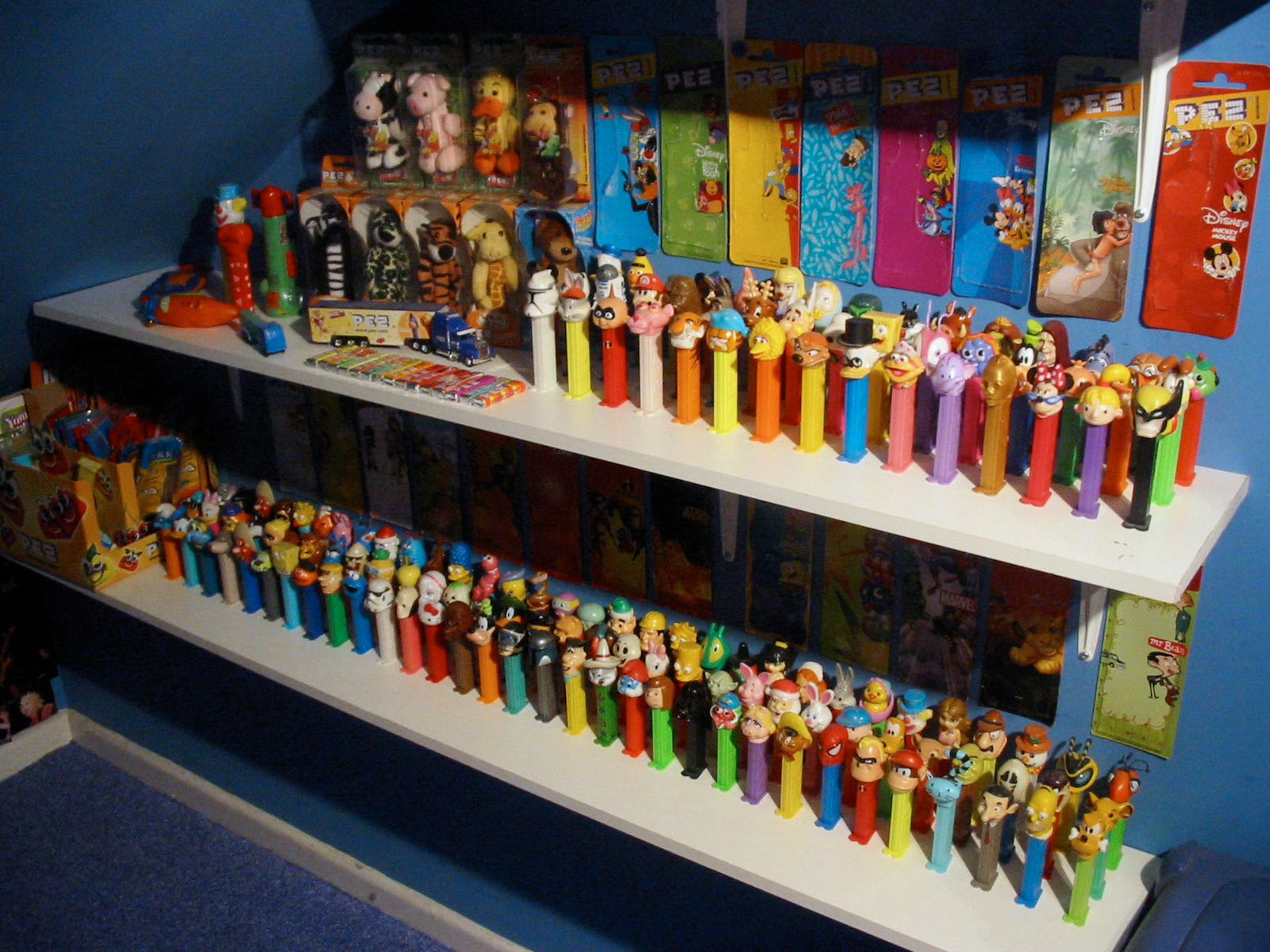
I didn’t even buy the Goofy Pez intending to start a collection, as I’ve written before, it was to display alongside my Less Than Jake albums, which I then replaced added to with a more fitting ‘skull’ Pez dispenser, that someone misinterpreted as being a collection and bought me two more - My Mum.
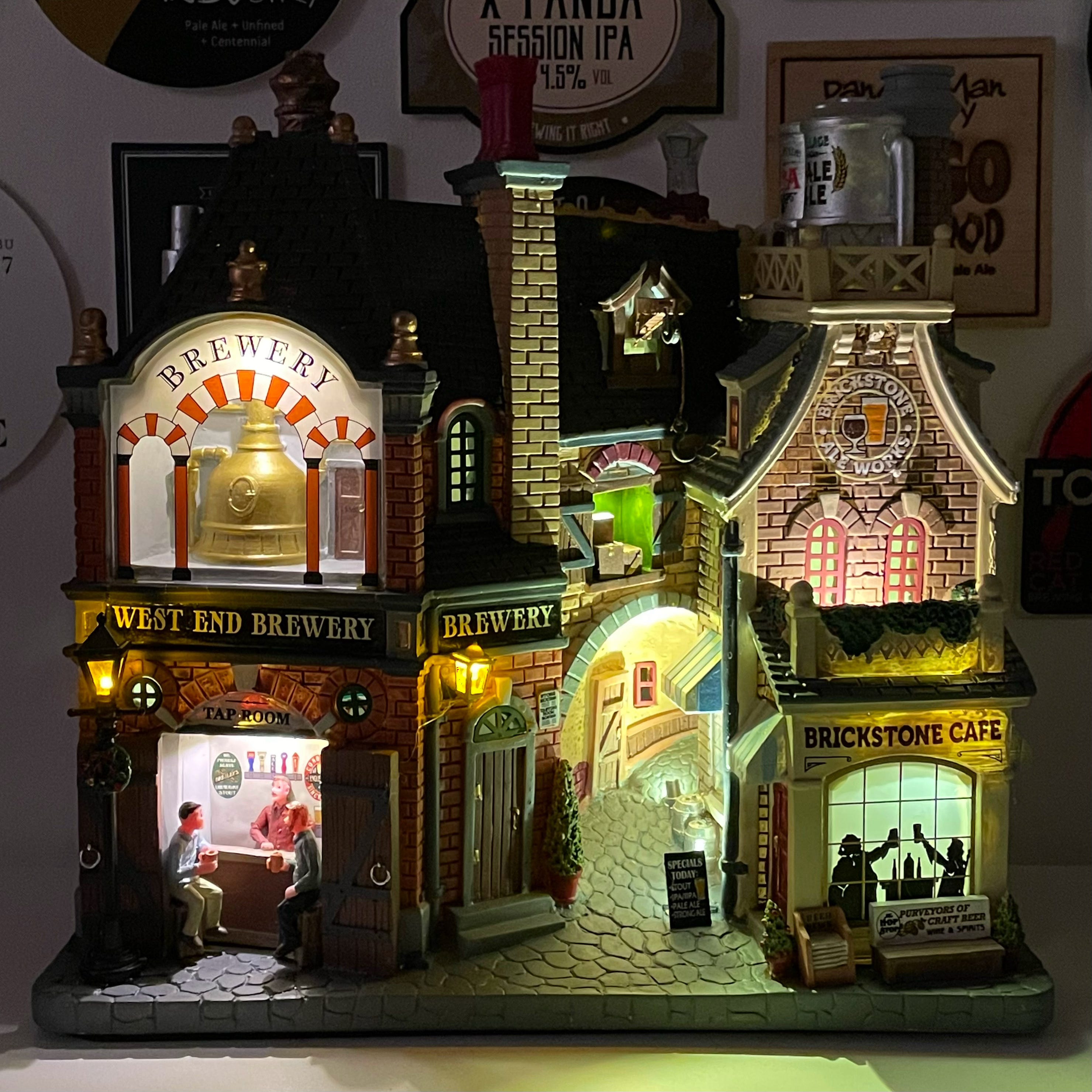
Fitting that all these years later history should repeat itself. I’ve always been interested in, but resisted the collection of Lemax Christmas buildings. A few years ago my Mum bought me one, a brewery - perfect, represents my craft beer fandom and scratches the Lemax itch. Last month she bought me two more. This is now a collection and Sam and I ended 2025 having bought a further four ourselves in post Christmas sales like the seasoned collectors that we are.
My self-awareness of being someone who collects - a personality I either cultivated entirely of my own doing, or developed in part in response to what was being reflected back to me by the people in my life - has reached a painful level since embarking on the Collect Us All! writing project. My commitment to the bit is shaping the way I approach new collections. I’m learning about my motives by exploring them on paper and I now spot all the hallmarks so much quicker than even 10 years ago.
If I retain one item in life now that has similar counterparts out there in the world, a small voice inside asks, “are you going to collect those?”.
Viability
The viability of collecting is dependent on access, cost and space. Each of these factors have had some fluctuation in my collecting over the years, and still do. For the most part I would say I have better access, less cost barriers and more space today than I’ve ever had previously and I do feel extremely privileged for that, while fighting some inner guilt for me then vs me now, which may even be fuelling the need to correct the past.
Access is the factor here that I feel I have the least control over. It always amazes people to learn the there are countless new Pez dispensers released each year that I don’t have access to because they’re exclusive to the US. This leans into the cost factor also because, in truth, I do actually know of some sources that would make these available to me, by stocking each release and shipping to the UK - the price of the latter is where the access cuts off.
It’s just not sensible in my broader collecting to allocate so much of my disposable income each year to shipping costs. Even if I divide it across the items to try and make a justification it results in price tags that I simply wouldn’t pay for the piece, even if I could afford it. My collections thrive because I’m strategic in my spending.
Access when I was younger, even for items available domestically that were in my pocket money or part time wages budget, still relied on me being able to get to them. The internet wasn’t the immediate shopping resource that it is now in the 90s or the early 2000s. When I collected a series of Digimon action figures circa 2001, I used to call up branches of Woolworths, hope they understood what the hell I was talking about when I quoted obscure character names, and then cycle to the branches within a five mile radius to purchase them.
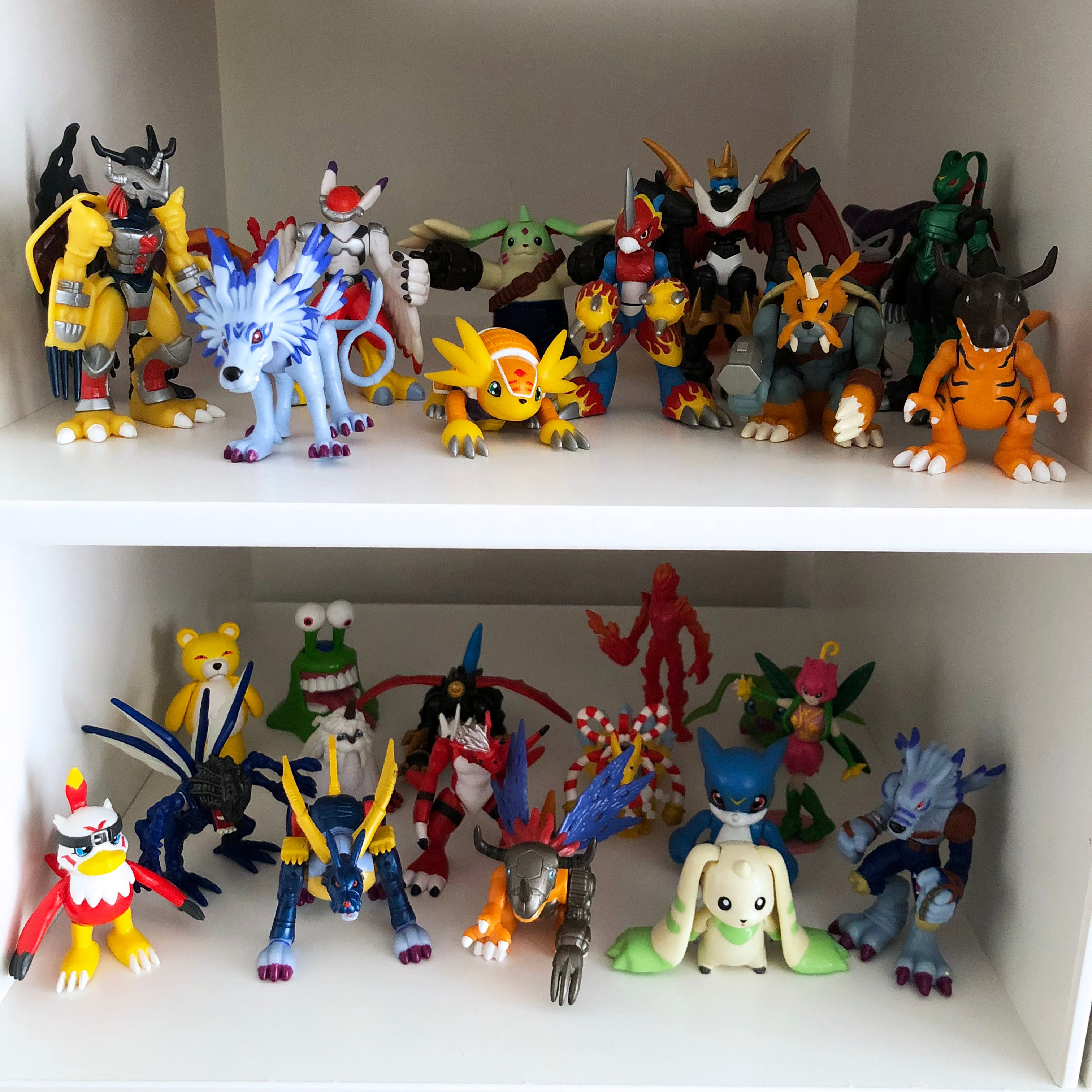
These were the sort of young, halcyon days that people wax lyrical about for the rest of their lives. I have shelves that display the result of these road (and pavement) trips with friends during the school holidays and weekends. 26 figures that represent the joy of the chase in a different age.
We didn’t have a lot of money when I was growing up, I’m not sure I ever really felt like I went without, I mostly appreciated what I had. This didn’t change the fact that I knew there were pieces out there that made up sets which I didn’t have. It probably taught me that it was futile to be a completist and that some of the fun is in desire.
Now I manage my own finances and receive remuneration for the time and energy I contribute to a business, I’m in a position to buy the things I placed on a mental shopping list, lurking at the back of my mind for decades. In some cases I can cross items off through an understandable decrease in interest being 25 years older. Others defy rationality. I’ve bought a fair few of these in recent years.
Which brings us to space. I’m also fortunate that our current home Sam and I own, particularly compared to our first, has a floorspace bigger than a postage stamp. As my Dad has often said, it doesn’t matter how much space people have in their home, they always just fill it to the brim with stuff. We’re approaching 10 years here and his words could not be more accurate. We’ve collected more since living here because we have the space.
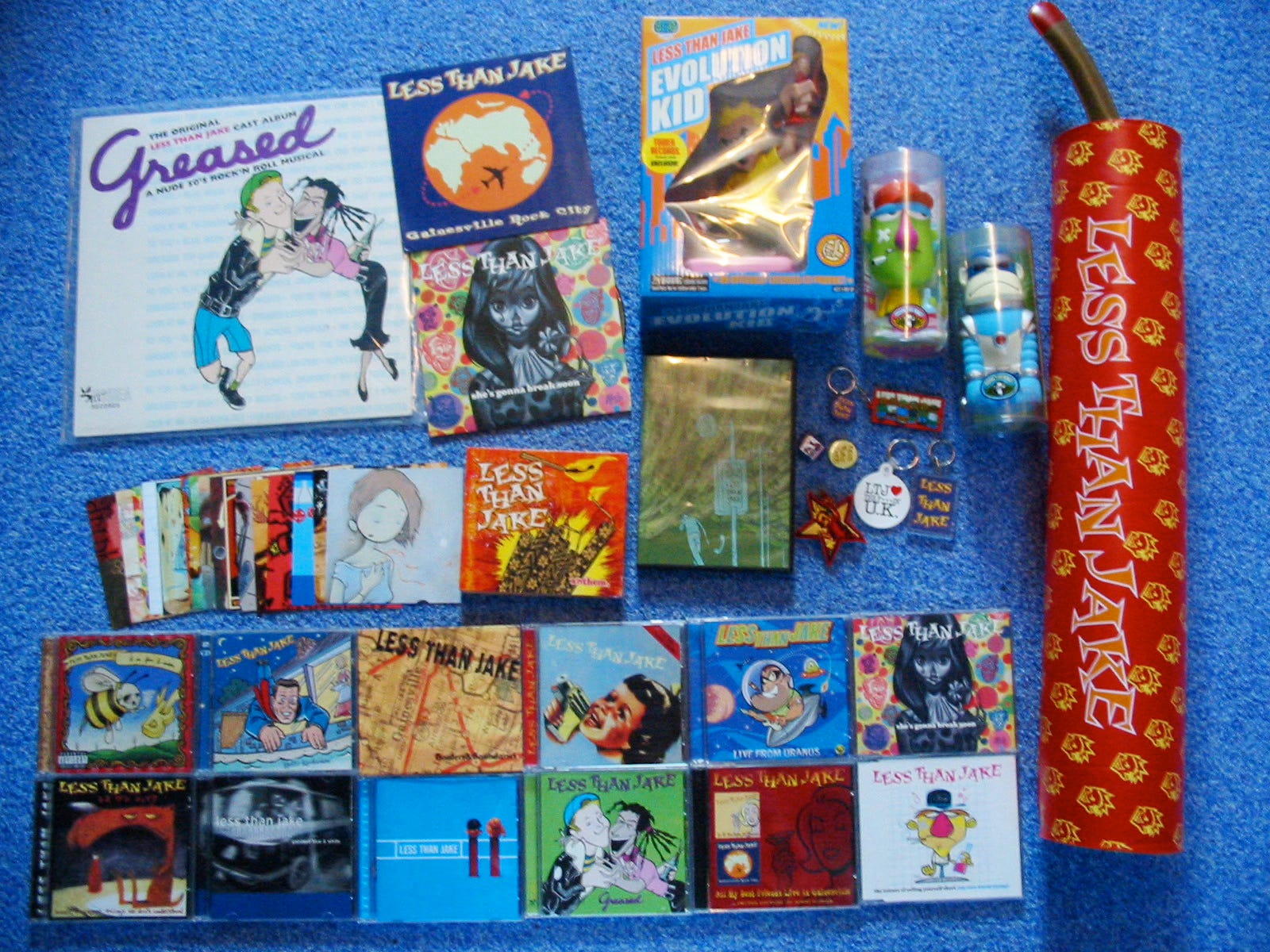
It is, of course, not infinite, and some collections have taken the hit, sitting in storage until I can figure out the number of turns on the Rubik's cube that allow me to invite them back into prime positions. I’m beginning to miss my CD collection I boxed up during the pandemic, even though my vinyl collection now has pride of place.
It’s both a far cry and a similar story to my situation living at home twenty years ago. I didn’t have as much, but I also didn’t have as much space. The outcome is the same, collections I’ve spent comparable percentages of my available funds on, unseen from day-to-day, packed away in plastic storage containers.
In truth, it’s probably a good thing that access still has some restriction on my collecting at a point in life where cost is less of a barrier, but space is still a finite resource.
In conclusion, I’m not sure that collecting has changed all that much. A common thread throughout the decades is my enjoyment. Though there can be times I’m acting on autopilot for certain purchases and collecting has never been without frustrating challenges, I’m still doing all this by choice. That said, I’ve not yet tried to stop.


